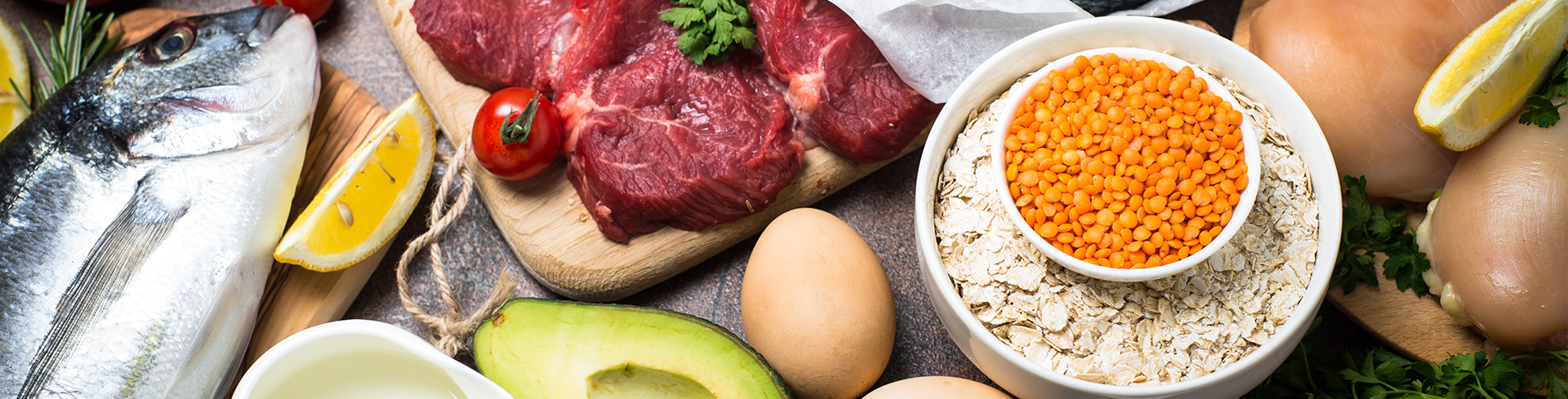
We are becoming increasingly aware of the benefits of good nutrition and physical health.
It improves heart health, reduces the risk of diabetes, high blood pressure and certain cancers, but what about taking care of the mind?
Do those extra chocolate bars and lack of vegetables in your diet have an influence on your mood? The simple answer is yes, they can have a massive impact on your mental health.
There is growing evidence that good nutrition is essential for our mental health and that several mental health conditions may be influenced by dietary factors.
As well as its impact on short and long-term mental health, much of the research indicates that food plays an important contributing role in the development, management and prevention of specific mental health problems such as depression, schizophrenia, attention deficit hyperactivity disorder, and Alzheimer’s disease.
Along with exercise, quality sleep and stress management, getting the right balance of nutrients in the diet can go a long way towards balancing your mood and anxiety levels. Your brain is always “on”- even when you are asleep. Though the brain accounts for only 2 percent of the weight of the body, it uses up 20 percent of the energy that is derived from the food we eat- far more than any other organ. This means that your brain requires a constant supply of fuel. That fuel comes from the foods you eat and what is in that fuel makes all the difference.
Mince Pies
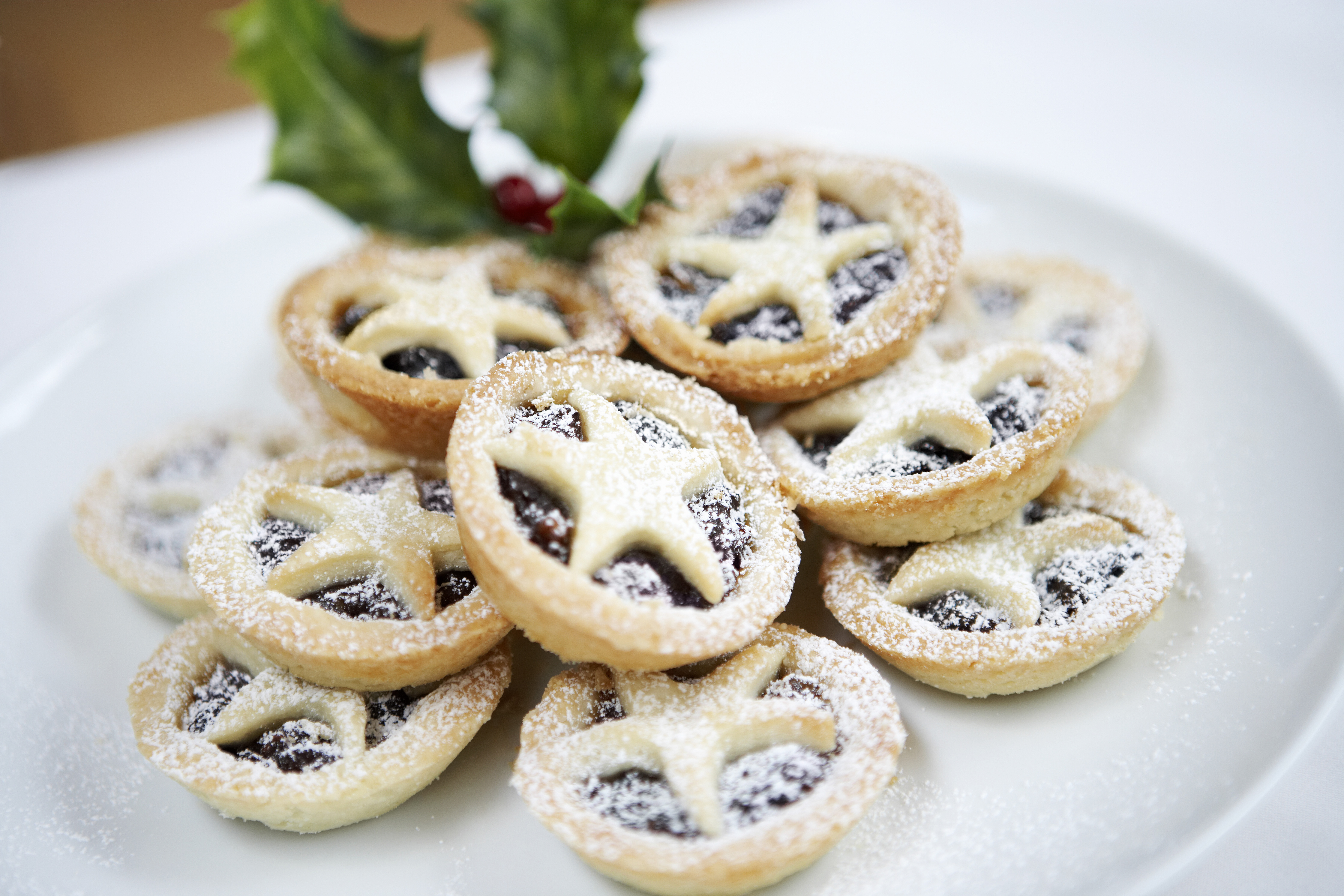 Mince Pie Recipe
Seasonal Veg:
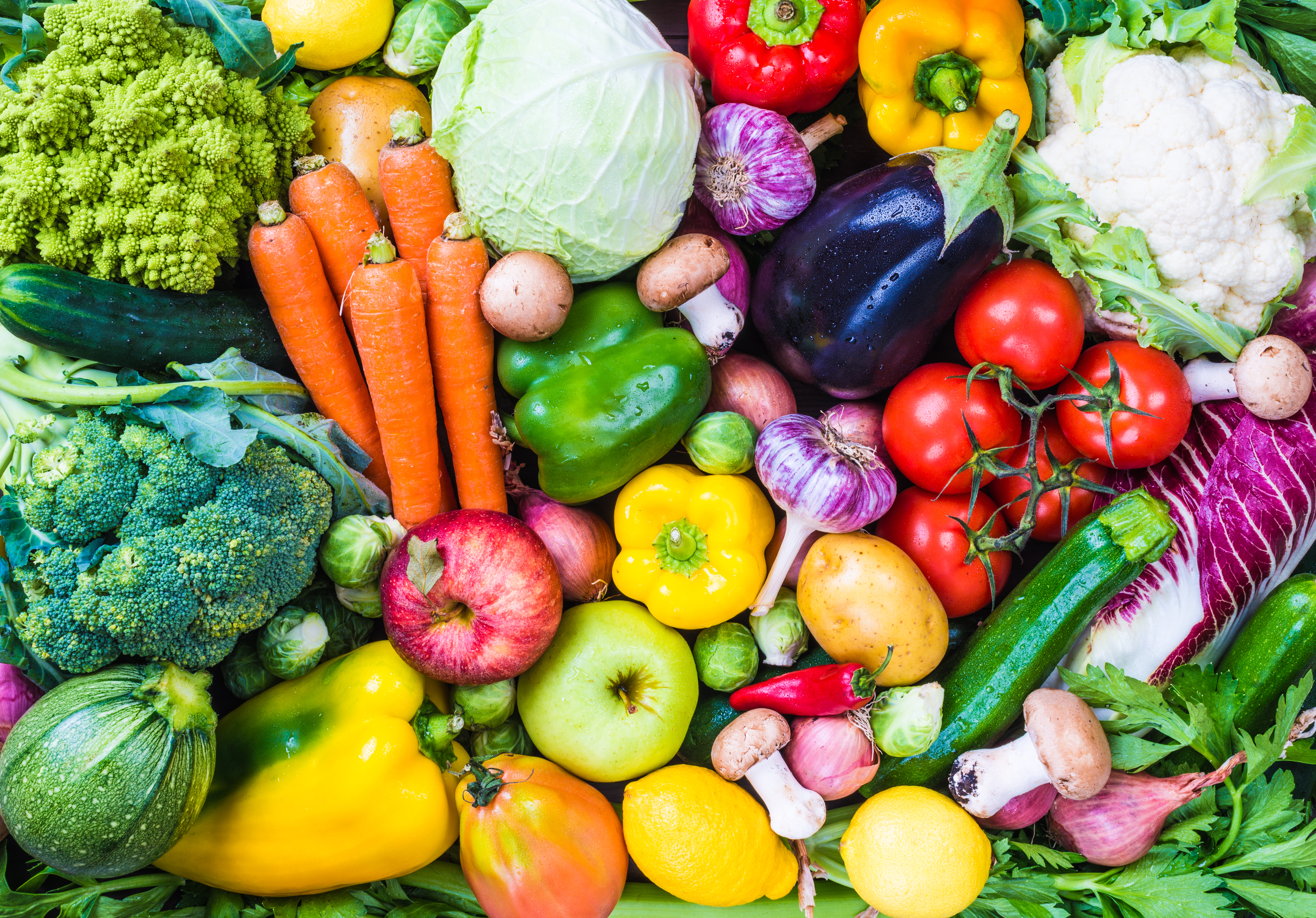
Ireland has an abundance of home-grown vegetables, here is a
seasonal calendar:
Best in Season
Vegetable of the month: Spinach
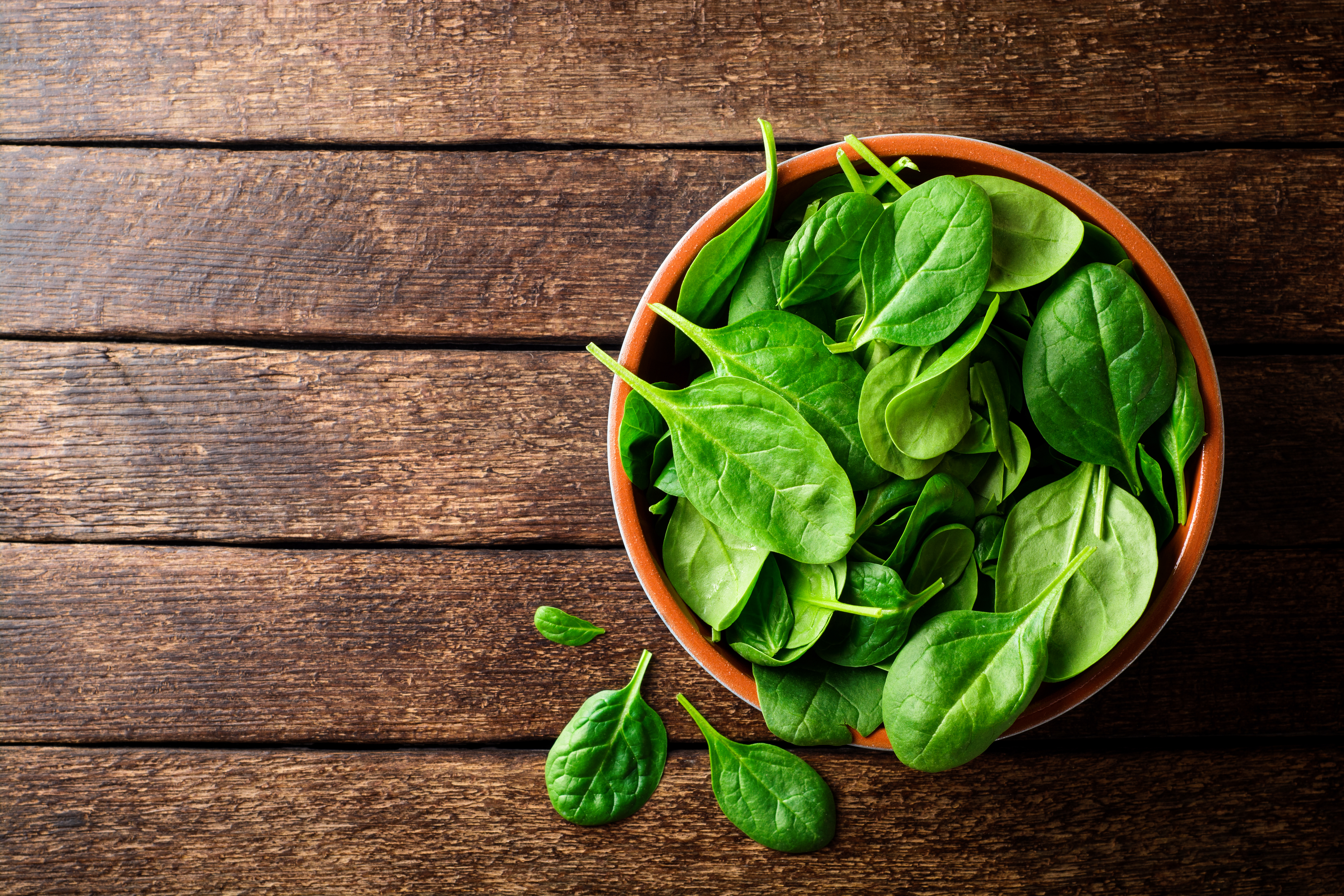 Spinach & Mushroom pasta recipe
Vegetable of the month: Cauliflower
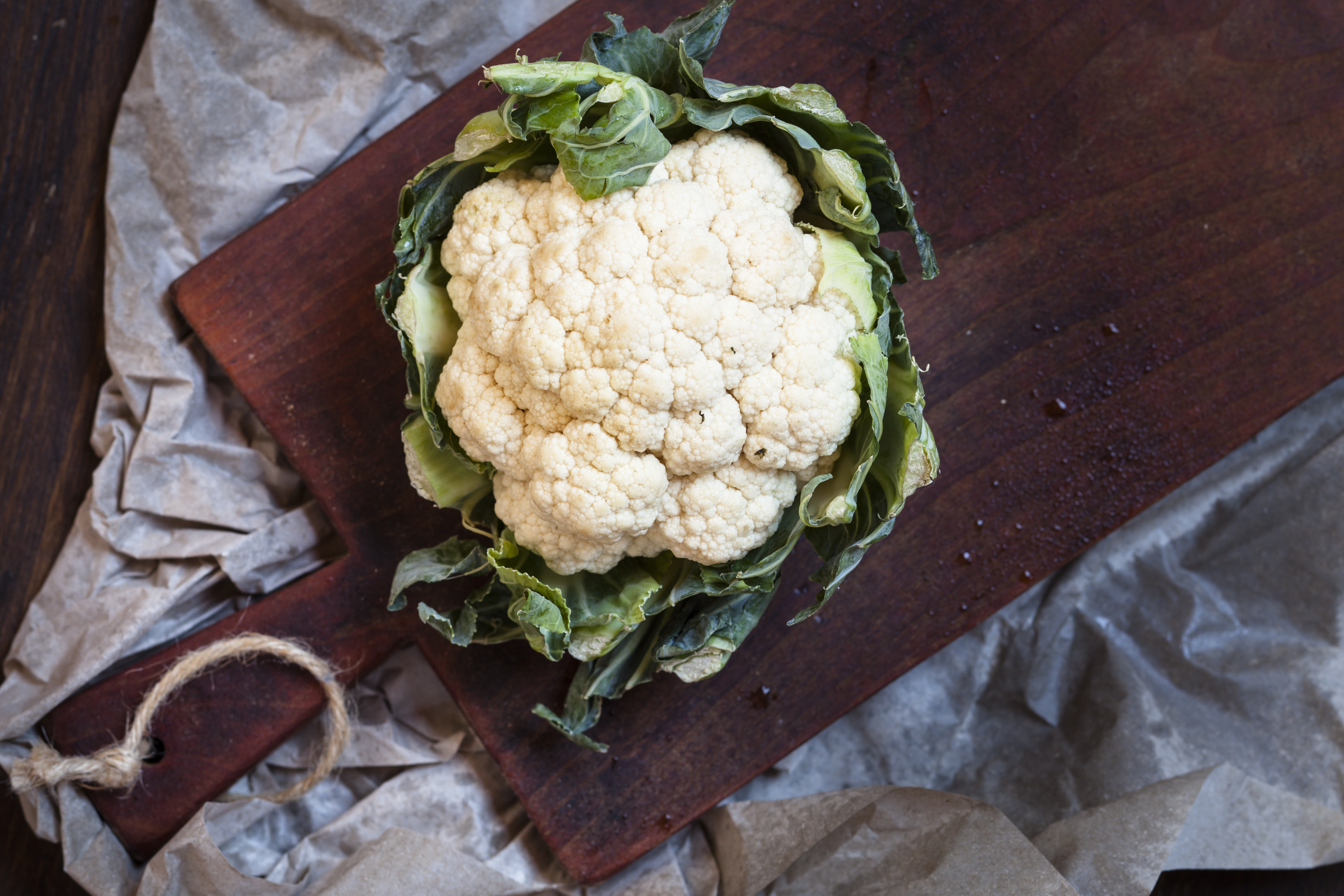 Click here for some tasty recipes
Bean Burger Bites
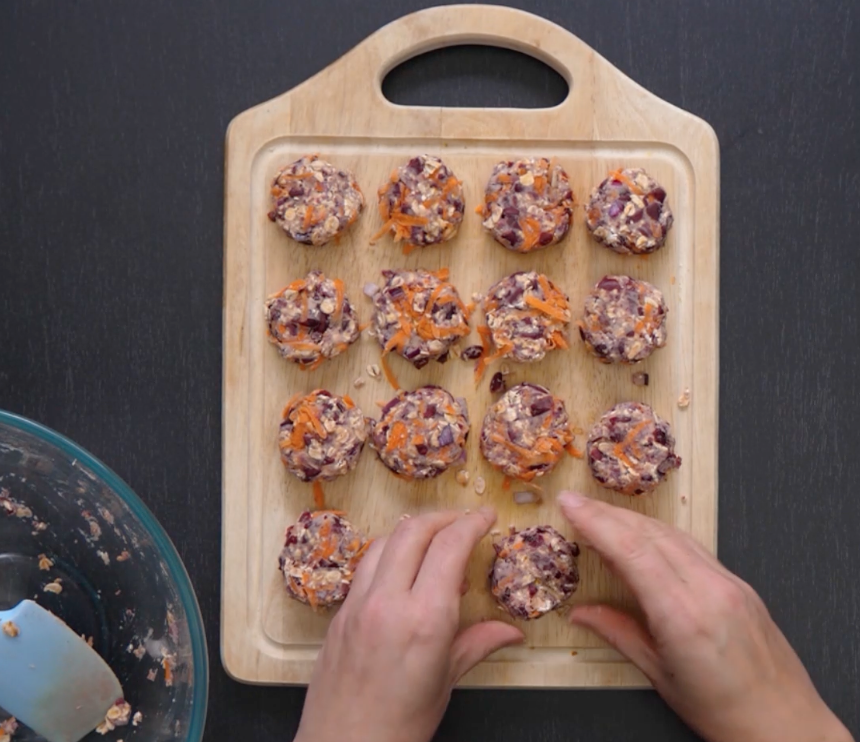 Watch video recipe here
713calories
35min
Ingredients (9)
· Kidney beans - 125 g
· Rolled oats - 4 tbsp
· Finely chopped Red onion - 2 tbsp
· Garlic - 1 tsp
· Hot sauce - 2 tsp
· Carrot - 1
· Whole wheat pitta bread - 1
· Tomato and lettuce - bowl
· Salt & Pepper - Sprinkle
Nutrition
· Calories 713
· Fat 9g - 11%
· Protein 32g - 17%
· Carbohydrates 133g - 72%
Method
· Drain the beans and rinse with cold water
· Put in a bowl and mash with a fork
· Add oats, chopped onions, garlic and hot sauce
· Wash and peel the carrots. Use a spiral cutter to create strips of carrot.
· Work/knead the ingredients with your hands
· Divide the mixture into small burgers
· Place the burgers in a pan and fry them firmly and crispy
· Halve pitta bread and toast
· Place burgers in each pitta half
· Top each burger with tomato slices and lettuce
· Best served hot
Top 8 Foods for Women’s Health
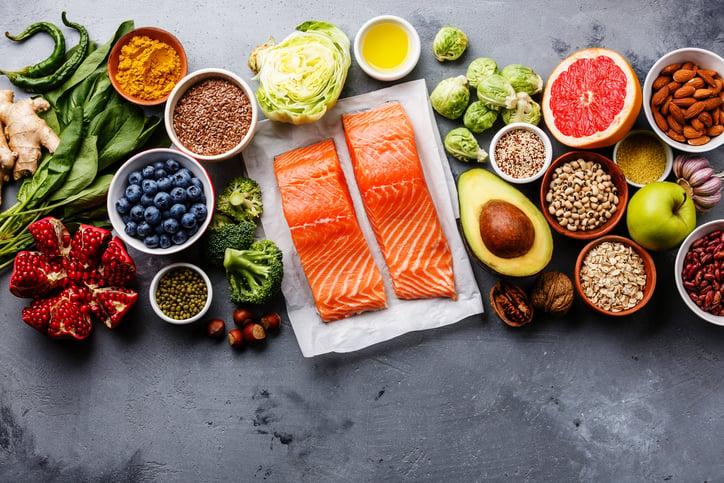
1) Water. Drink 8 to 12 cups of water daily.
2) Dark Green Vegetables. Eat dark green vegetables at least three to four times a week.
3) Whole Grains. Eat whole grains sat least two or three times daily.
4) Beans and Lentils. Try to eat a bean-based meal at least once a week.
5) Fish.
6) Berries.
7) Winter Squash.
8) Soy.
Pancake Tuesday - 21st February
 https://www.bordbia.ie/recipes/pancake-recipes/basic-pancake-recipe/
Recipe for Winter Irish Stew...
https://www.thespruceeats.com/traditional-irish-stew-recipe-435757
Christmas Cake in the Slow Cooker !
https://bakingqueen74.co.uk/slow-cooker-christmas-cake/
Mackeral Salad:
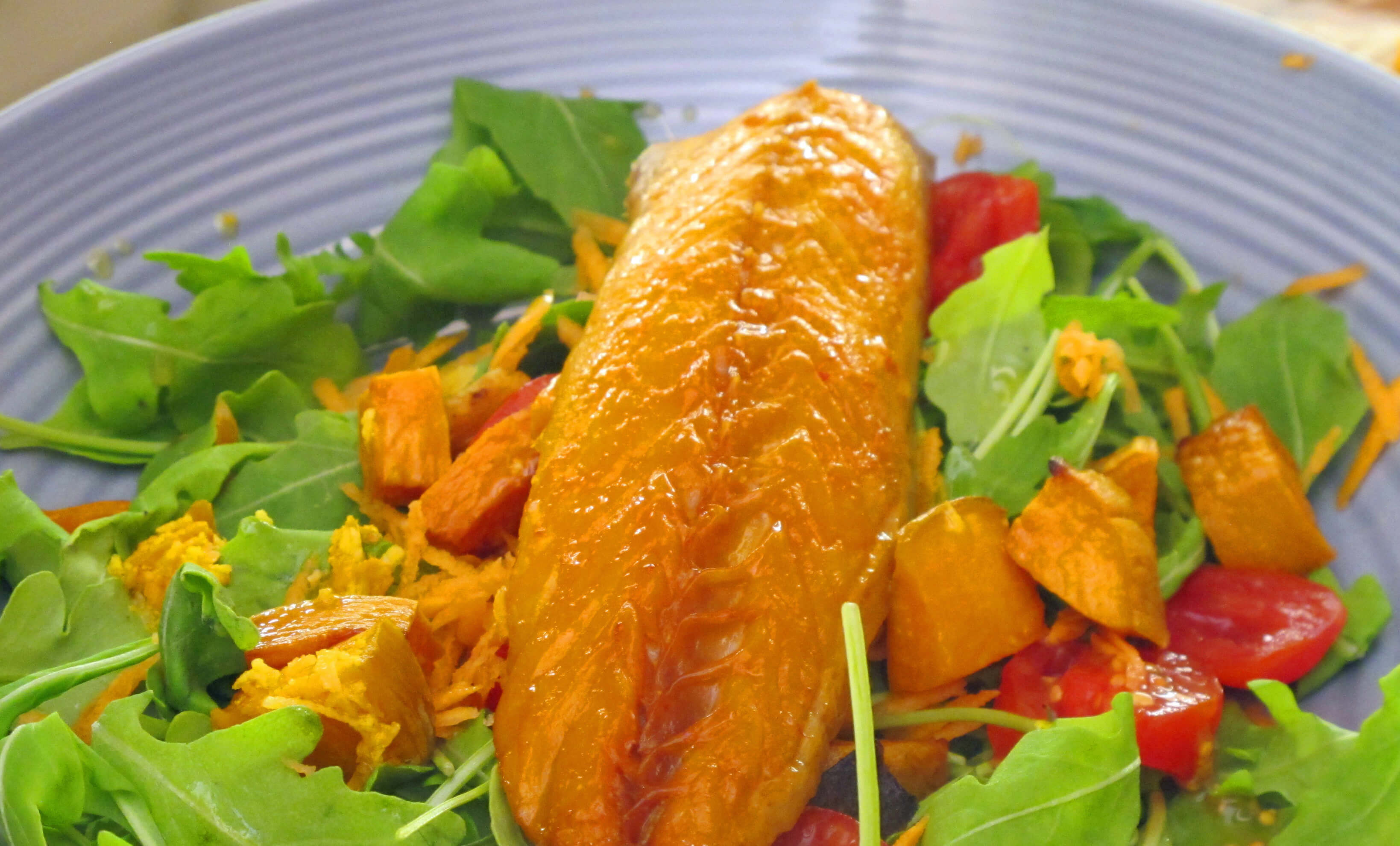
A recipe for mackerel salad;
https://www.layahealthcare.ie/thrive/health/recipes/mackerelsaladantiinflammatorydiet/
Christmas Recipes:
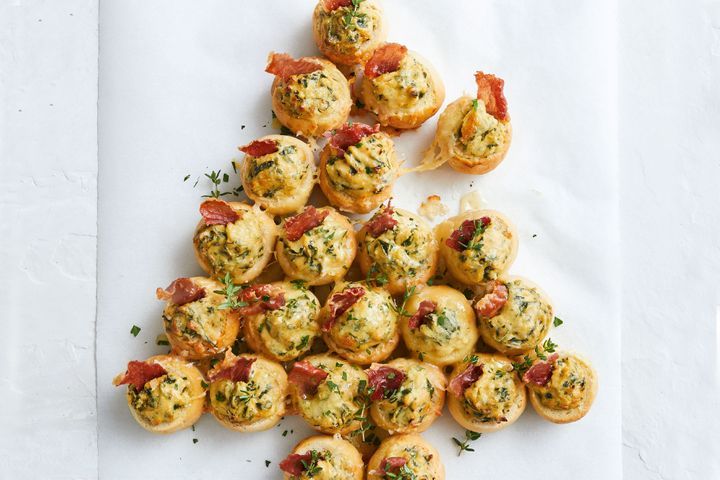
Check out some new and exciting recipes for Christmas and beyond
https://www.taste.com.au/entertaining/galleries/christmas-food-ideas-2021/ykpaztx3
Lunchbox Ideas:
https://celebratingsweets.com/healthy-lunch-ideas-for-adults-and-kids/
The scary truth about flavoured water
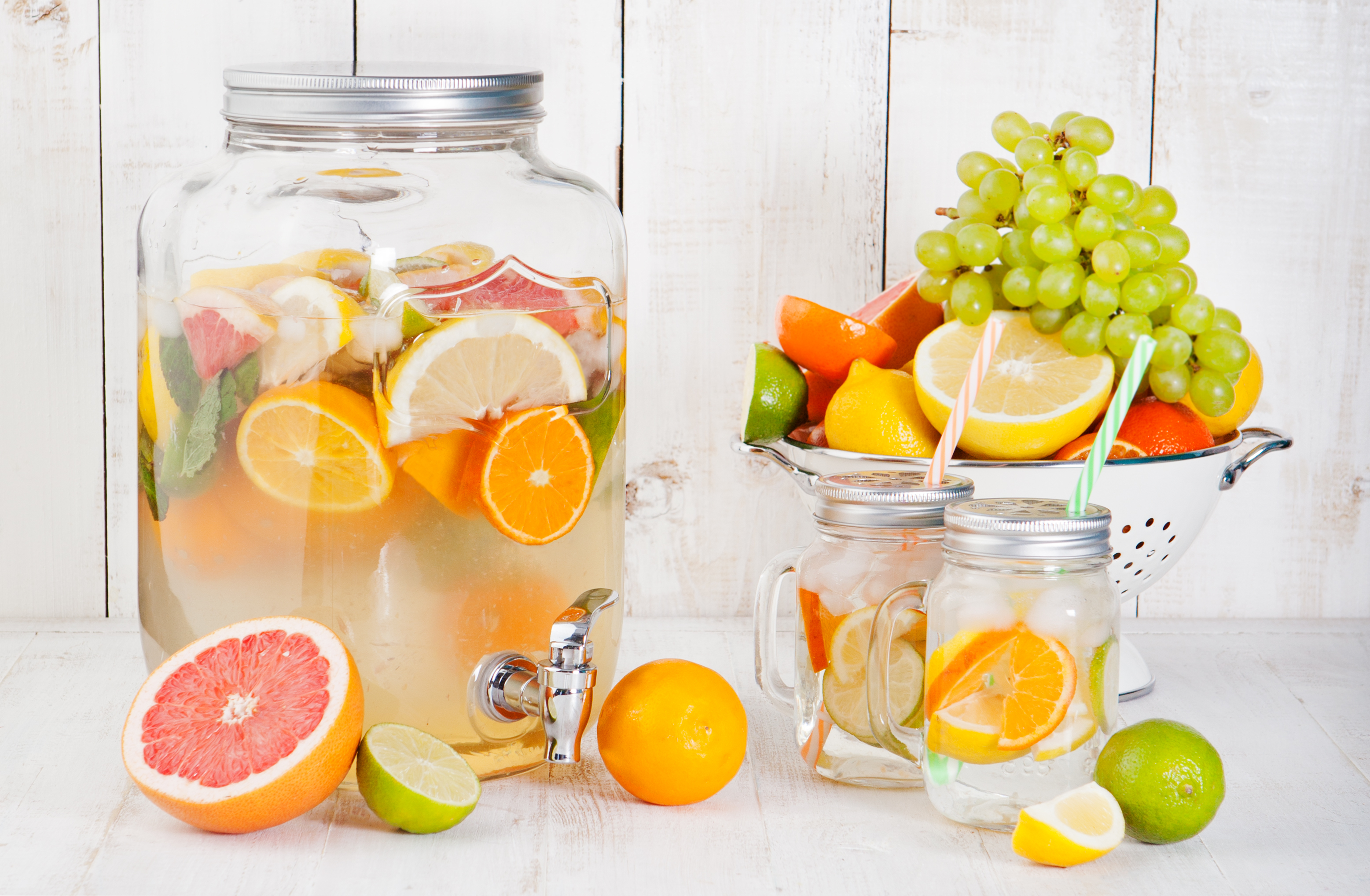 https://www.layahealthcare.ie/thrive/health/recipes/supertrooper_research/
BBQ Recipes
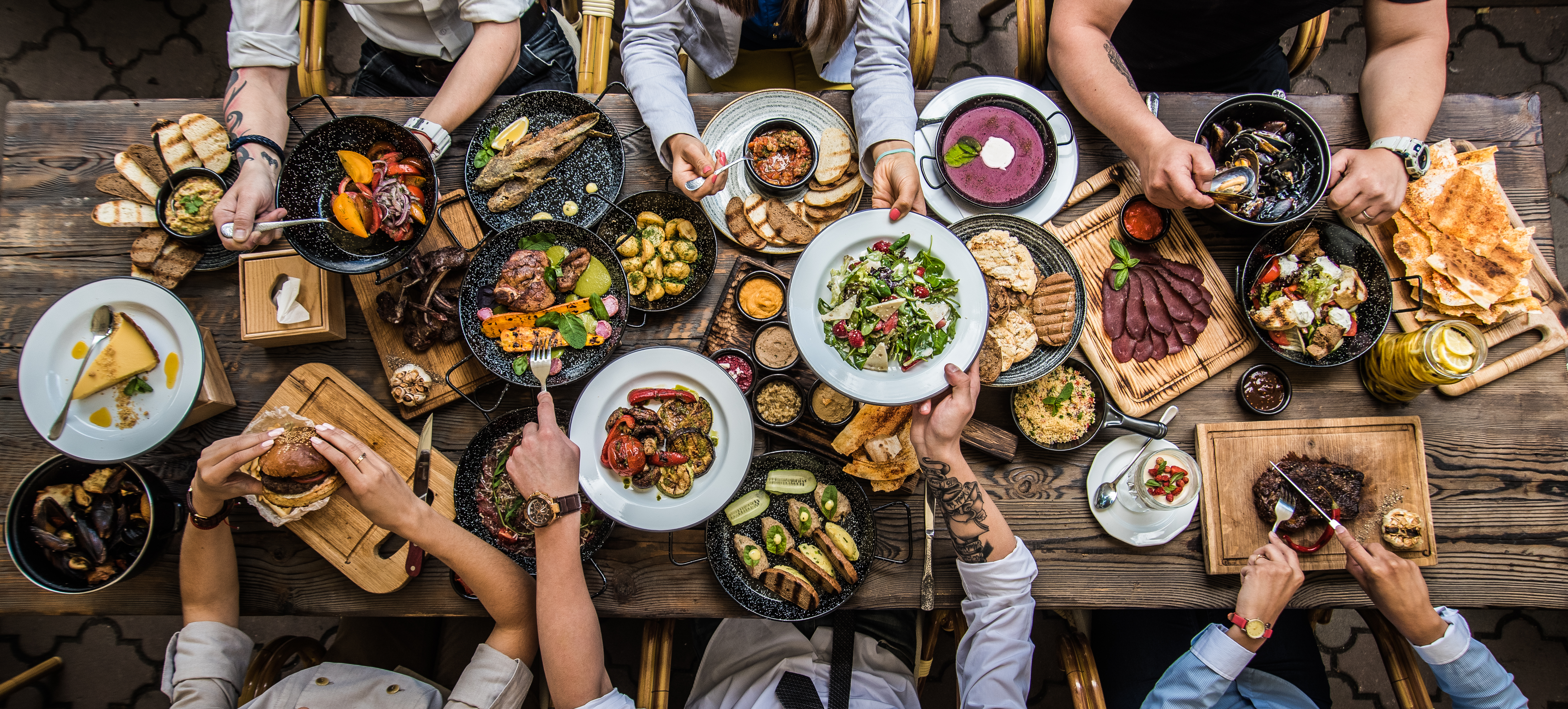
Also, check out the 50 BBQ recipes from last summer, (how time has flown):
https://www.tasteofhome.com/collection/easy-grilling-recipes/
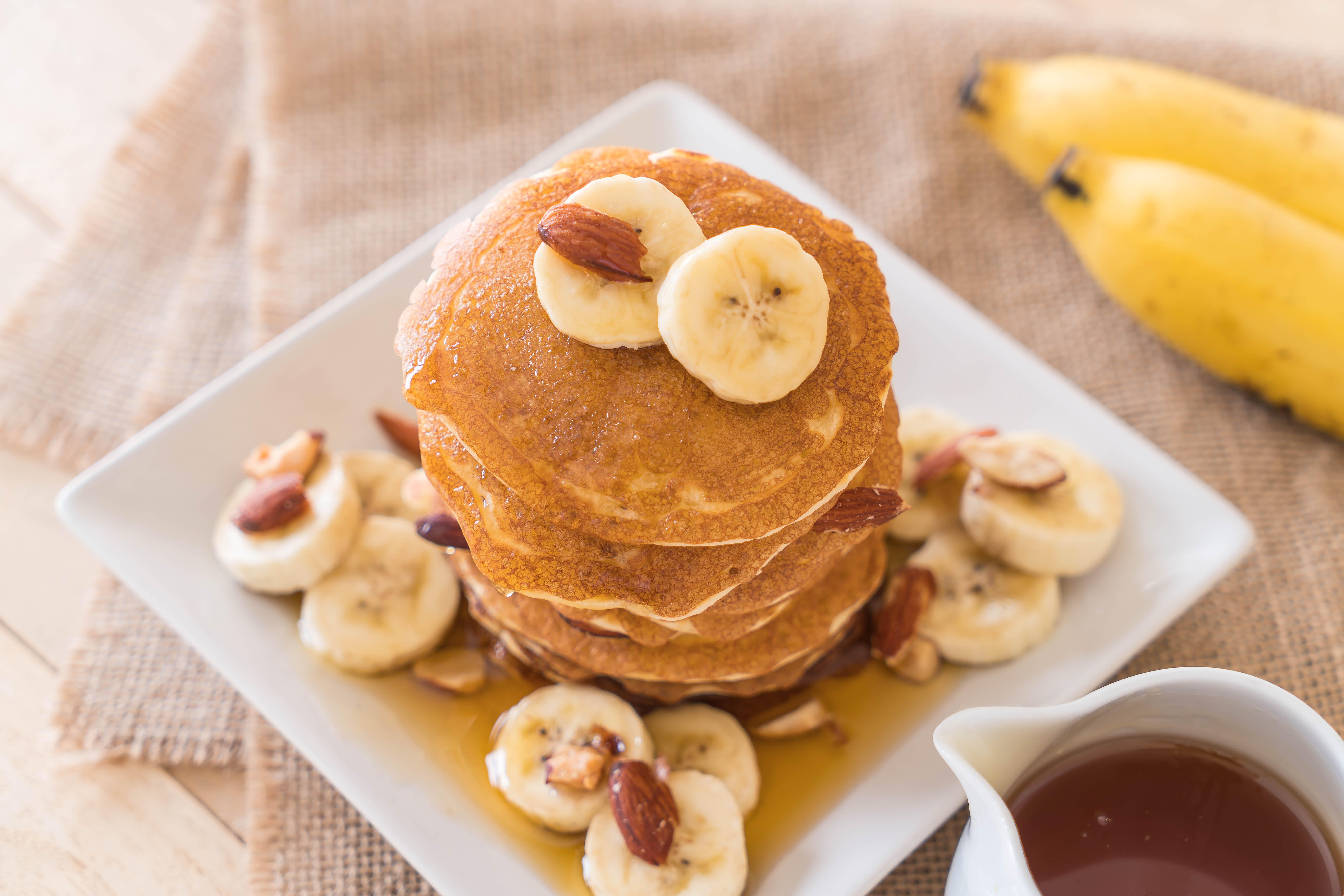
Banana Almond Pancakes
352calories
15min
Allergens
EggsNuts
Ingredients:
Medium banana - 1
Large egg - 1
Almonds - 10
Raspberries - 10-15
Raw honey - 1 tsp
Cinnamon - 1 tsp
Light spray oil - 4-5 sprays
Nutrition:
Calories 352
Fat 7g - 16%
Protein 11g - 11%
Carbohydrates 73g - 73%
Method:
Place an egg in a bowl and whisk well
Peel a banana and mash it in a small bowl
Place the beaten egg on the mashed banana and mix well. Add the cinnamon and stir thoroughly.
Spray a coated pan with light cooking spray oil and bake over medium heat
Pour the banana and egg mixture into the pan to make a large pancake or pair of small pancakes, as desired. Bake for 3-4 minutes. Turn to bake the top
Chop or mash the almonds and spread on the pancake
Top the pancake with raspberries
Drizzle with honey and serve hot!
Keeping Healthy Through the Holiday Season
Hi All,
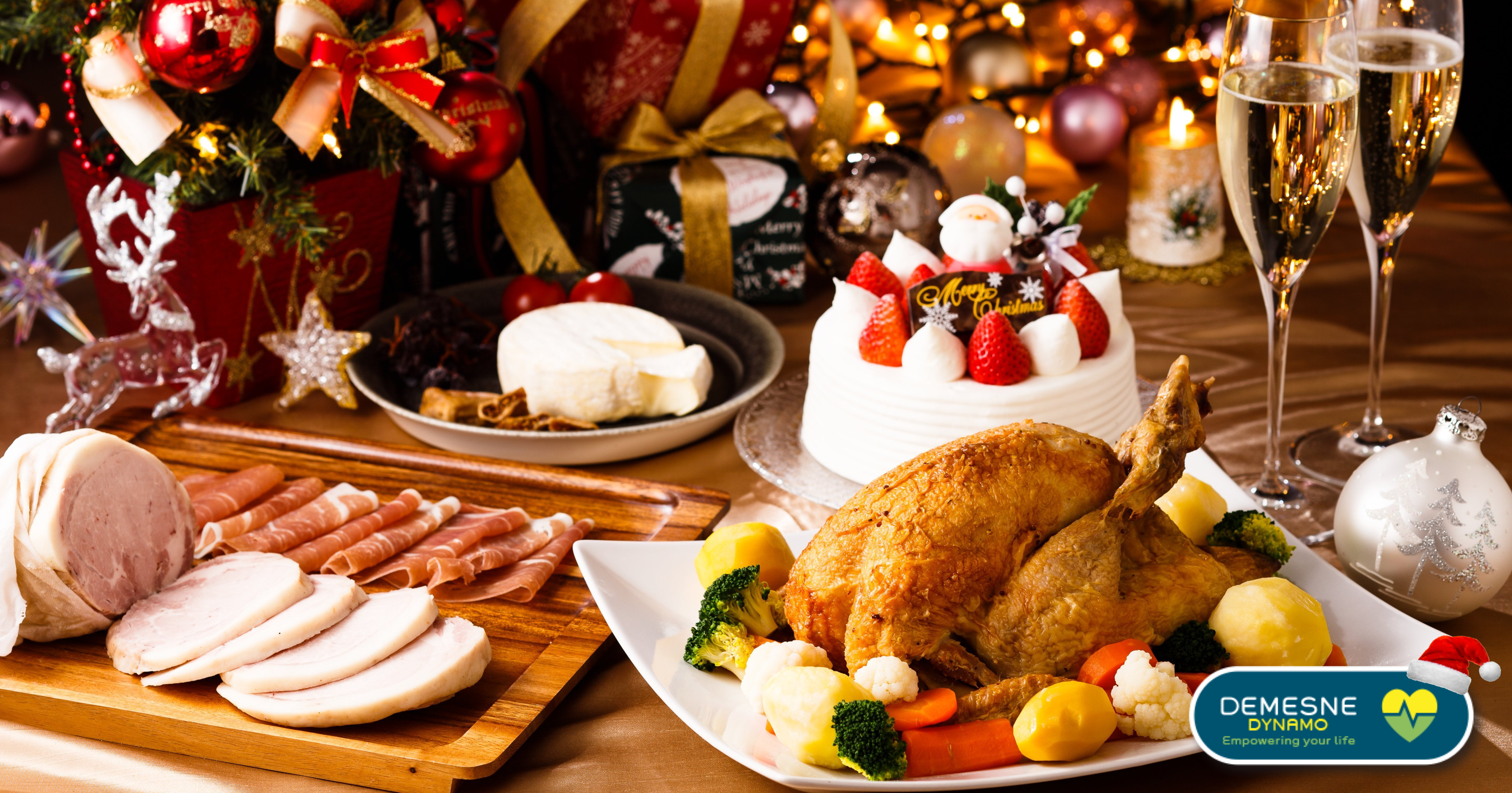
The festive season is here, a wonderful time to spread cheer and celebrate. We all have different traditions and celebrate in different ways, and although this year will be very different, it’s still very likely that we’ll be enjoying lots of delicious food and drinks.
To help you maintain a balanced and (relatively!) healthy diet throughout these indulgent times, this month we’ll be giving you tips and ideas so you can enjoy the Festive Season and still be in control of your wellbeing.
Tips for maintaining a healthy diet throughout the Festive Season
Healthy snacking
- Include fruit and veg as part of your snacks – for example, serve grapes with small amounts of cheese and crackers (preferably wholemeal or seeded for some extra fibre!). Or use veggie sticks for dipping!
- If making dips, use a thick, natural yoghurt as the base instead of mayonnaise. Blitzed peas with a bit of yoghurt and mint tastes fab!
- Swap salted nuts for unsalted ones and add your own seasoning. Try smoked paprika for a savoury treat, or cinnamon for a more sweet-tasting one.
Healthy drinking
- Use an alcohol measure when drinking at home
- Try mocktails or non-alcoholic alternatives. Click
here for ideas.
- Use low sugar or diet soft drinks when mixing with alcohol.
- Alternate alcoholic drinks with soft drinks and water.
- Try not to drink on an empty stomach - food can help to slow the absorption of alcohol and reduce the likelihood of developing a hangover!
- Keep hydrated! Sometimes we confuse hunger with thirst. Also, remember that alcohol can also dehydrate you.
Portion sizes
- Be aware of your portion sizes – try to use the food packaging serving size suggestion, if available.
- Use measuring spoons, scales or cups to measure out foods – check this handy guide for portion sizes
here.
- Serve yourself small portions first, then see if you’re satisfied or would like to go for seconds.
- Have set meal and snack times, this can help you eat when you need and avoid grazing throughout the day.
What if we overdo the eating and drinking?
- Take a break from eating heavy meals and space out your mealtimes – have lighter meals such as salads or soups.
- Have some alcohol-free days each week and drink plenty of non-alcoholic liquids. Water, herbal or fruit-infused teas and low sugar squash are great options.
- Try to incorporate some low-impact activities. For example, going for a walk or for a swim.
- Make sure you sleep well - aim for at least 7-8 hours each night.
- Schedule activities that do not involve eating or drinking but are still entertaining and can help keep you active. Why not go to a park, take part in an online exercise class or play games outdoors?
Try to consume festive treats in moderation!
- The festive period is a great time to really enjoy all types of food, but it is important to eat mindfully and take notice of your hunger cues to avoid overeating. Remember that we need calories for energy and to fuel our bodies properly, so it is important to not drastically restrict our energy intake too much either.
- Did you know that on average 2 mince pies contain 460 calories? This is equivalent to approximately 30 minutes of rowing.
- On average, 1.5 portions of Christmas pudding contain 510 calories. This is equivalent to a 5-mile run.
- 1.5 glasses of mulled wine contain 178 calories, which is equivalent to 5 x 30 second interval sprints on a curve treadmill.
Healthy Hydration for Men
Hi All,
As it is International Men’s Day, we will be focusing on men’s hydration and why male and female fluid requirements may differ!
Why do our fluid requirements differ?
In general, men tend to require more water than women due to having a greater energy expenditure and lower % body fat.
On average, 60% of male body weight is water, whereas only 55% of female body weight is water. Therefore, the European Food Safety Authority (EFSA) state that men should aim to consume 2.5 litres of fluid per day, with women aiming for 2 litres. Approximately 80% of our water intake should come from drinks, with the remainder coming from food. Higher water content foods include fruits and vegetables, especially salad vegetables such as cucumber, celery and tomatoes.
How can our work environment affect fluid requirements?
Our work environment can lead to changes in our fluid requirements!
If working in an air-conditioned office, moisture evaporation can increase from our bodies, increasing the amount of water lost and the amount of fluid we need to drink to stay hydrated.
Warmer environments and jobs which involve physical labour or strenuous lifting can increase how much we sweat, meaning we need to hydrate more to replace the water lost.
Working from home and having lots of video meetings can mean it is easy to sit at a computer and forget to drink regularly. Try always keeping a water bottle or glass of water within easy reach.
Prostate Health
Hydration is also important when thinking about prostate health.
If you have prostatitis or Benign Prostatic Hyperplasia it is important to drink plenty of fluids - try not to drink less to reduce the frequency you need the toilet. Keeping hydrated will cause urine to be less concentrated, which is less irritating to the bladder.
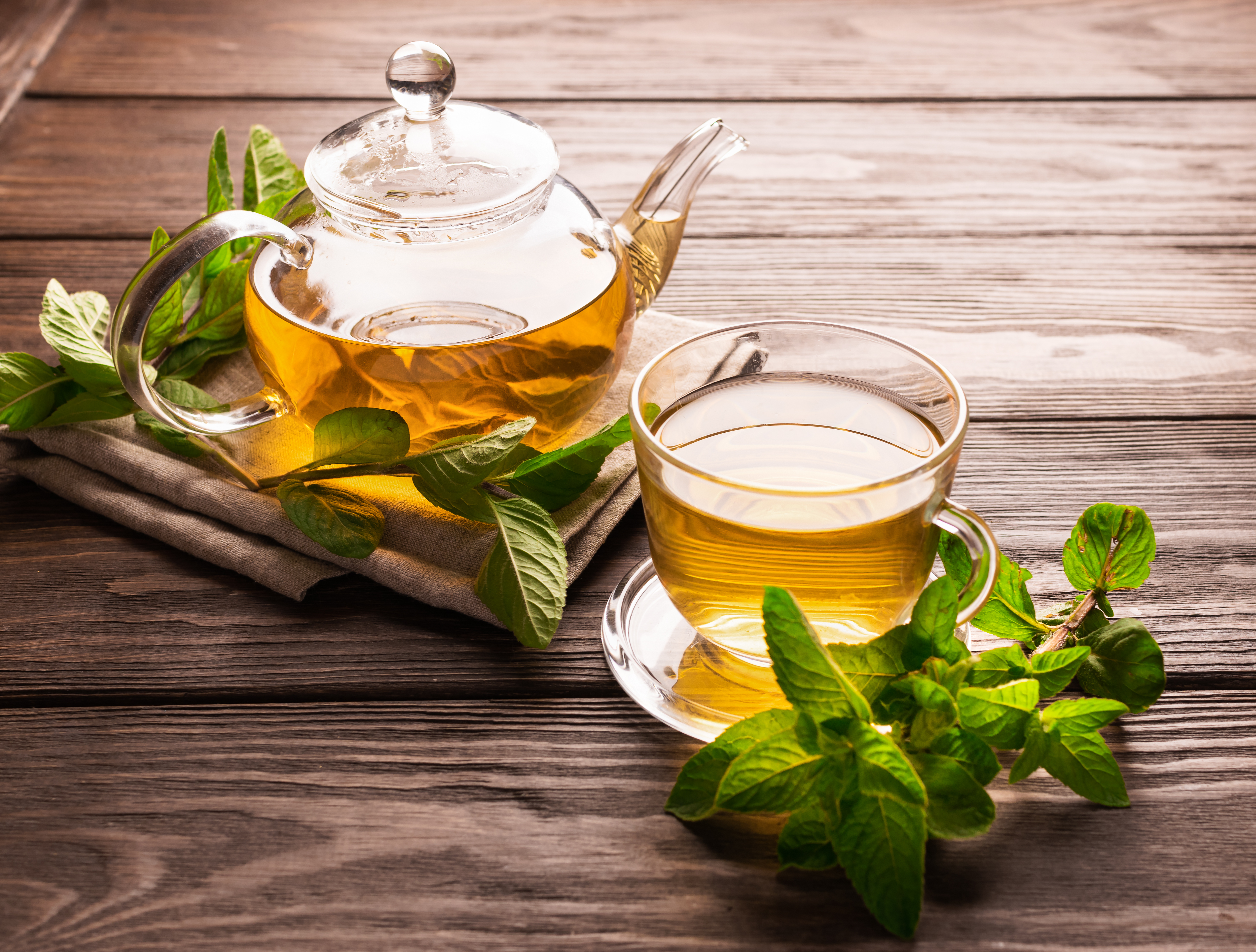
Avoiding caffeine can also make a big difference in your urinary health, as caffeine can irritate both the prostate and the bladder. Try to reduce caffeine by cutting back on coffee, colas and energy drinks. Maybe try decaffeinated coffee or herbal teas instead!
Try to drink alcohol in moderation. Alcohol can increase the risk of developing some types of cancer but the specific effect on prostate cancer is not currently known. However, it is known that drinking alcohol in excess can increase the risk of weight gain and being overweight may increase the risk of being diagnosed with advanced prostate cancer. In the UK, it is recommended to drink no more than 14 units of alcohol per week (spread out over the week), which is equivalent to 6 pints of average strength beer (1 pint = 568ml). Maybe try alcohol-free or low alcohol beers and spirits, soft drinks or juices every now and then instead!
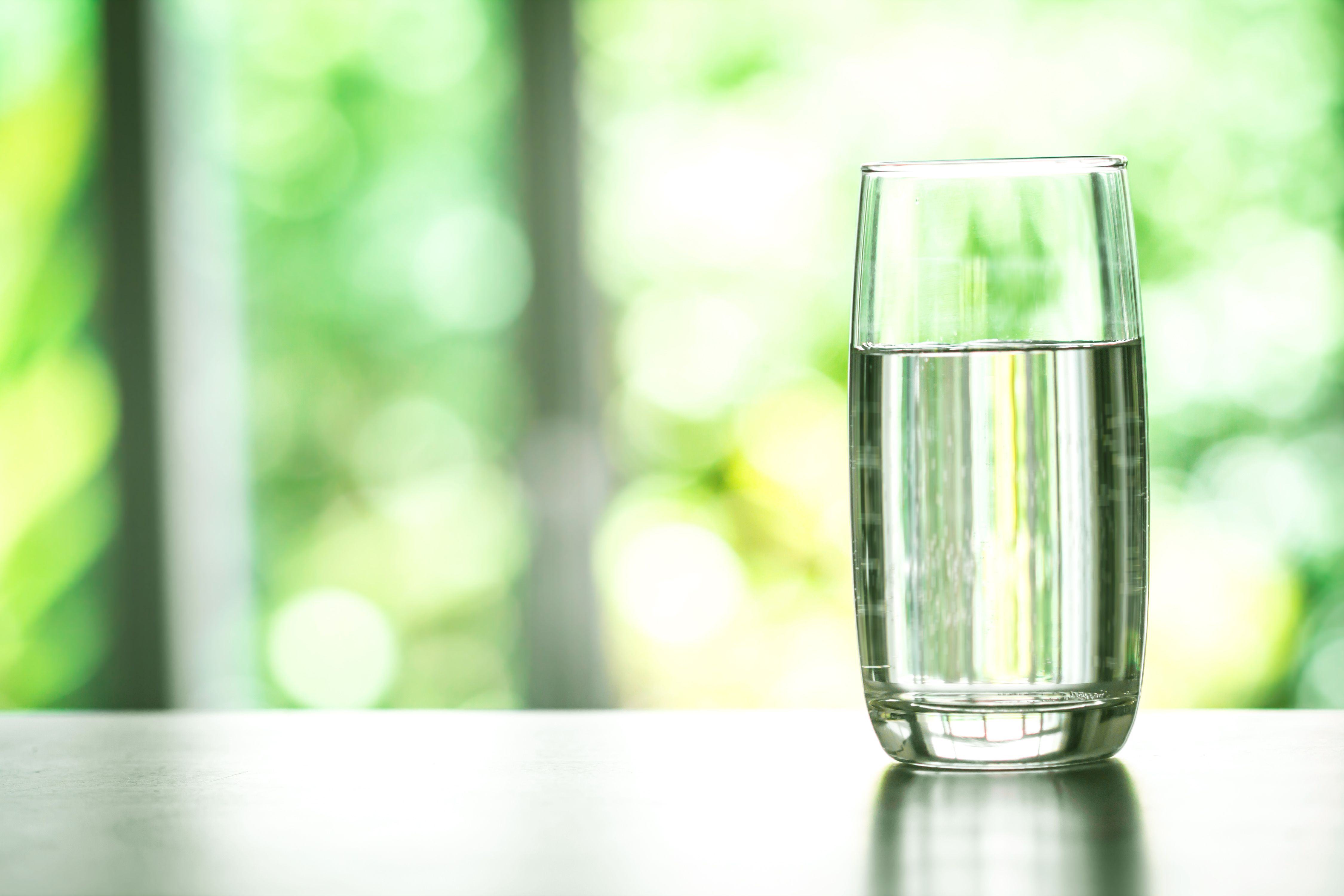
Remember keeping hydrated is very important, not only does it help us to keep a healthy body and mind, but also helps us perform better at work and in other activities! Hydration requirements vary depending on our gender, type of work we do and levels of physical activity, as well as the environment where we work and live.
To help you keep hydrated, we have included the Hydration Challenge and fluid intake chart below to help you keep track and to increase your fluid intake.

Hope this helps and happy hydrating 💧
Healthy Host
Just becasue we have to stay at home, doesnt mean we can't enjoy ourselves.
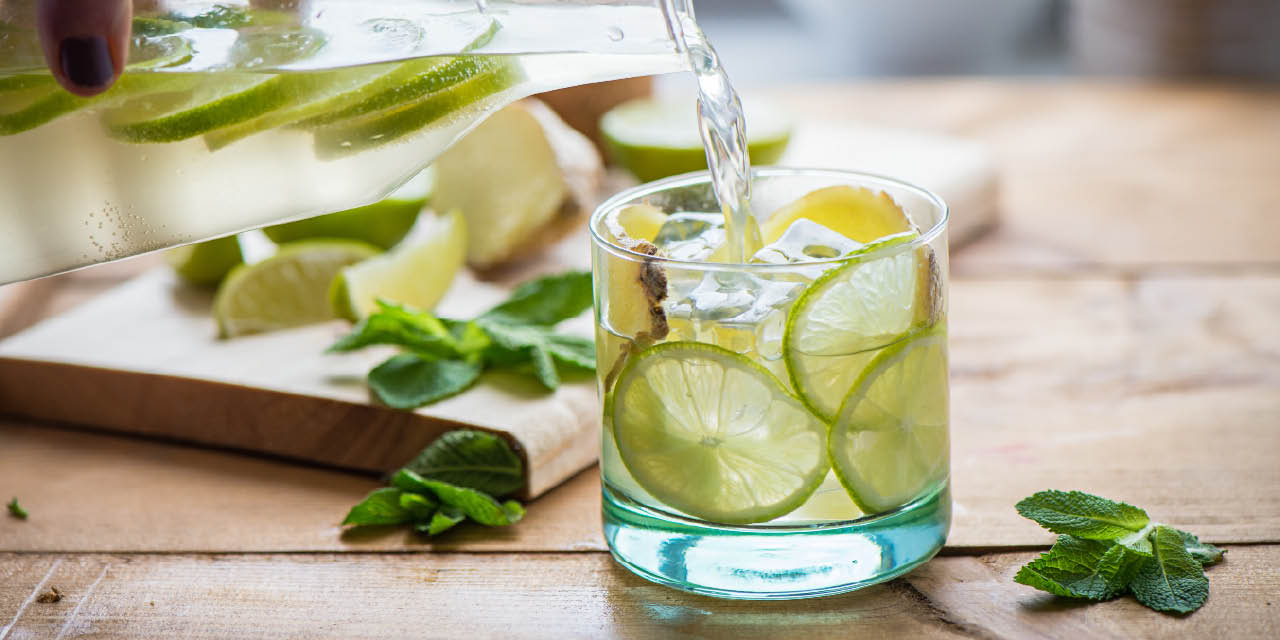
A refreshing mocktail paired with tasty sharing boards are sure to please your family or those you live with.
The delicious, healthy and siple recipes for your next party at home can be found
here.
BBQ Recipes
As some social distancing restrictions are being lifted, and the Irish weather is uncarachteristicly nice, what better time to have BBQ*?
So call up some friends, fire up the barbie and enjoy some of the delicious recipes linked below;
*please note that the governemt gudelines still encourage social distancing, so please do keep your distance and be extra vigilent if welcoming new people into your household.
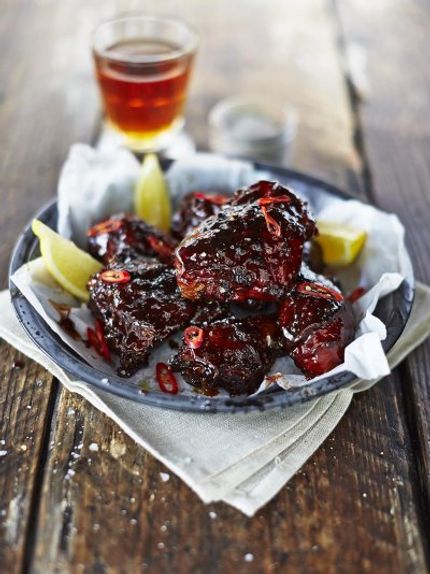
50 Easy BBQ Recipes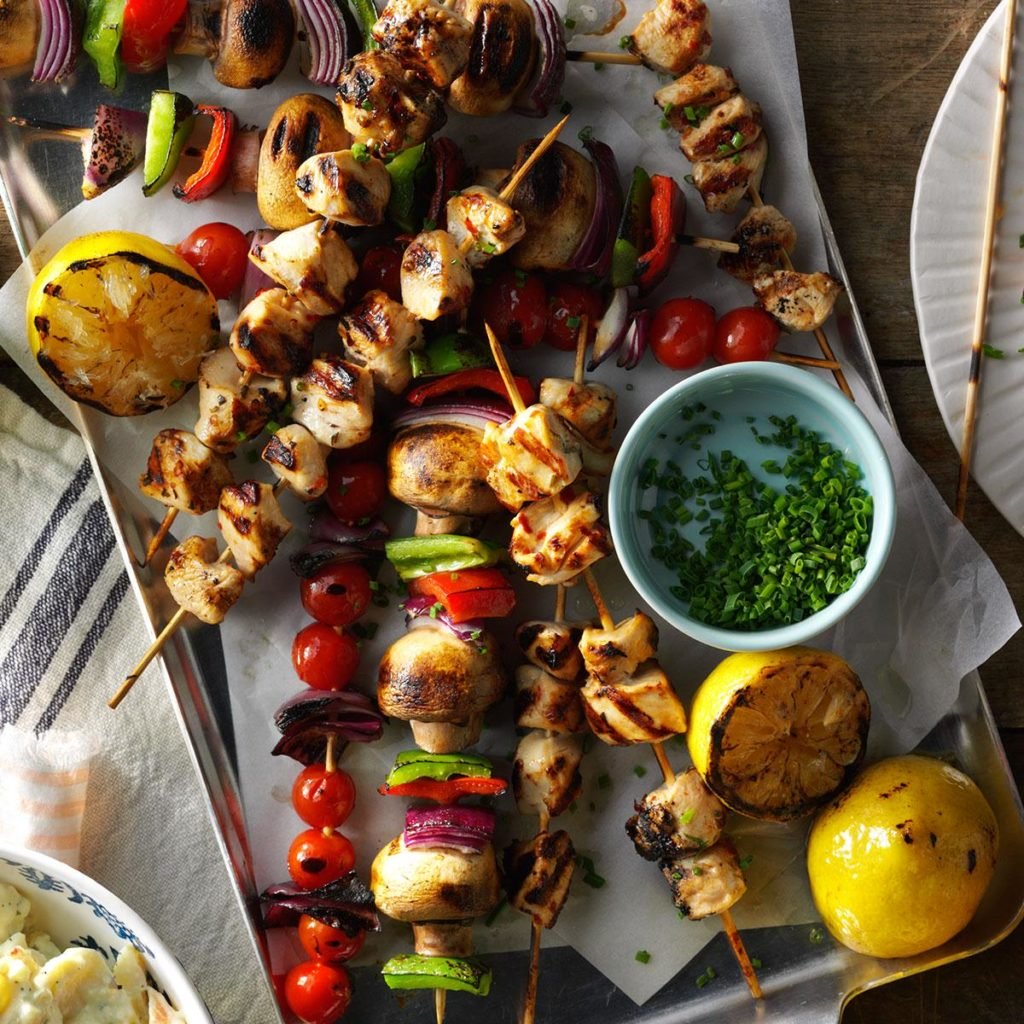 BBQ Chicken Thighs
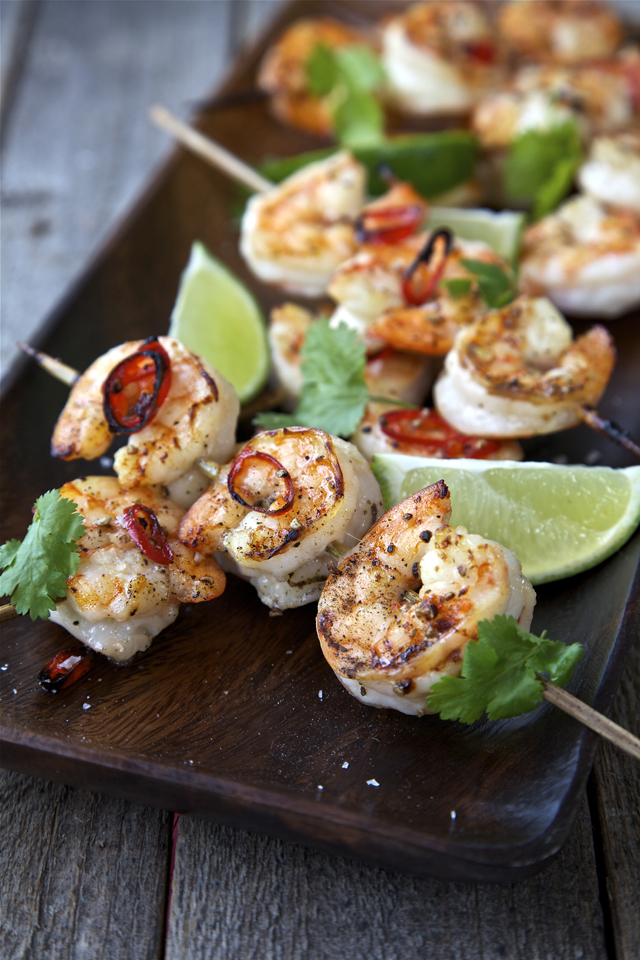
 Honey & Chillie Prawn Skewers
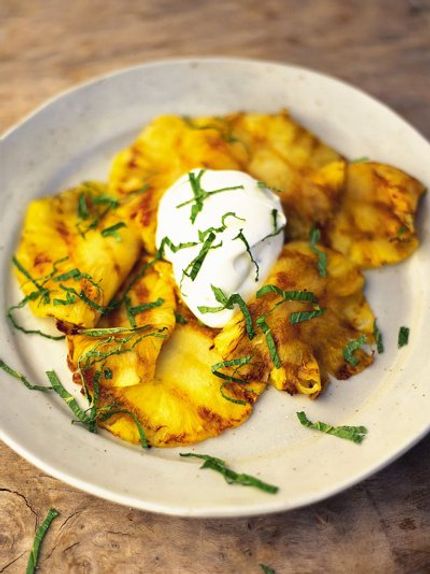
 Refreshing Pineapple Desert
 How to balance your diet
An overall balanced diet is key. This starts with eating nutritionally balanced meals. In every meal, it is important that you include a portion of protein along with complex carbohydrates and plenty of vegetables.
How to balance your diet
An overall balanced diet is key. This starts with eating nutritionally balanced meals. In every meal, it is important that you include a portion of protein along with complex carbohydrates and plenty of vegetables.
- Protein– Including protein-rich foods at meal times is very important because protein contains the amino acid tryptophan which is the building block for serotonin production, a brain chemical that promotes a feeling of well-being.
- Complex Carbs–Complex Carbs– Including complex carbohydrates is equally important. Complex carbs give us a slow steady release of energy and encourage a slow steady release of serotonin. So, they have a long-lasting positive effect on our energy and mood.
- Vitamin D– Getting enough vitamin D can be a challenge in Ireland because we don’t get enough sunlight, and if your Vitamin D levels are low, you’re more likely to experience low mood.
- Vitamins B6, B12 & Omega 3 Fatty Acids-
These nutrients influence serotonin which as previously mentioned is instrumental in mood regulation.
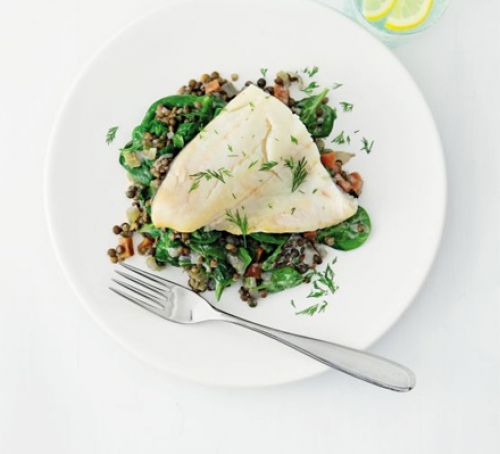 Brighten up a thick cut of smoked haddock with a squeeze of lemon and fresh dill. This easy-to-make dish uses hearty puy lentils to fill you up and keep you going.
Get the recipe.
Brighten up a thick cut of smoked haddock with a squeeze of lemon and fresh dill. This easy-to-make dish uses hearty puy lentils to fill you up and keep you going.
Get the recipe.
 How to eat, drink and be healthy over Christmas